Article summary: I have been working in corporate data security for more than 20 years, and I have seen too many bosses slap me on the back after their code was stolen. Core algorithms, business logic, and unreleased products appear in the hands of competing products overnight, and the feeling is more painful than being cut off. Today I want to talk to you from the bottom of my heart, why?
I have been working in corporate data security for more than 20 years, and I have seen too many bosses slap me on the back after their code was stolen. Core algorithms, business logic, and unreleased products appear in the hands of competing products overnight, and the feeling is more painful than being cut off. Today I will talk to you from the bottom of my heart about how to put an iron shirt on our source code.
How to encrypt source code? Summarize 10 ways to encrypt source code. It is recommended to save it to protect the encryption of source code from leakage.
1. Deploy the Insight Eye MIT system
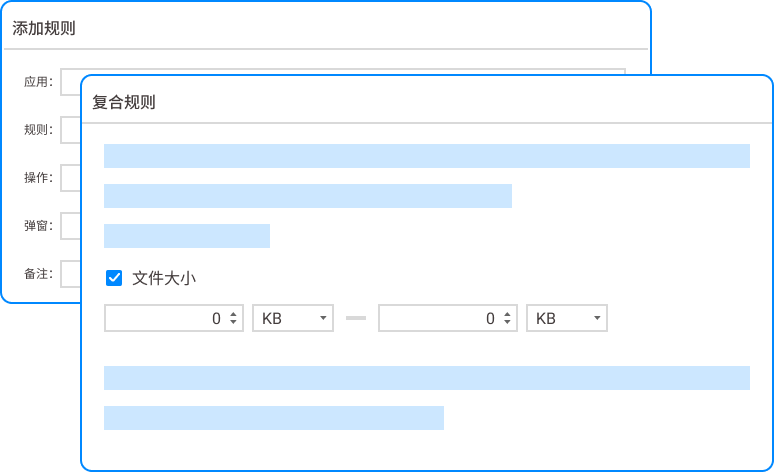 In terms of preventing enterprise-level code leakage, I have seen more than a hundred solutions, but I really have to choose one that can give me full marks. Insight Eye MIT System Count one. This thing is not a vain gimmick, it is a hard-core method that truly locks the code from the bottom.
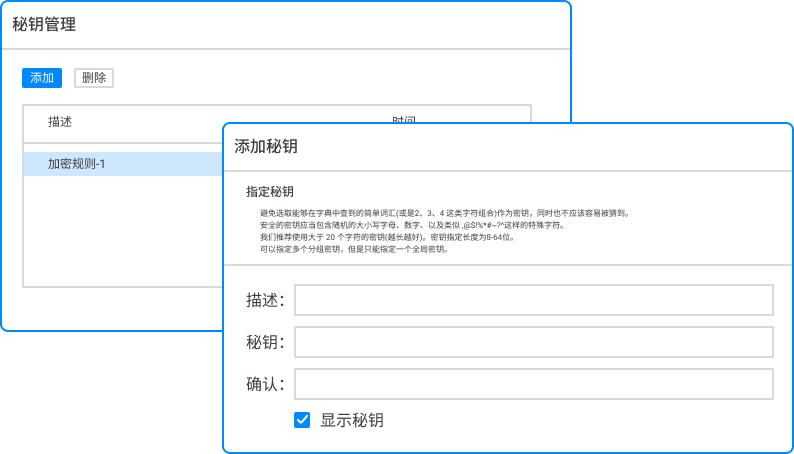
Fully transparent encryption, leaving no dead ends : Programmers type code in the IDE, and the system automatically encrypts it when saving, and automatically decrypts it when it is opened. The whole process is so smooth that employees are unaware of it. A client's technical director once complained to me that an employee copied the code home and when he opened it on his home computer, it was all garbled. The next day, the employee took the initiative to confess to his leader that he wanted to leak the secret, but there was no way.
Outsourcing control and locking the code : The core code should be sent to the outsourcing team or customer for docking? The system can generate encrypted outgoing packages, set the number of times to open, the validity period, and even prohibit screenshots. A customer who makes a financial trading system outsources the core algorithm module to its partners. Before the other party can open it, they must scan the code to verify it and enter a dynamic password. The risk of leakage has been reduced to a freezing point.
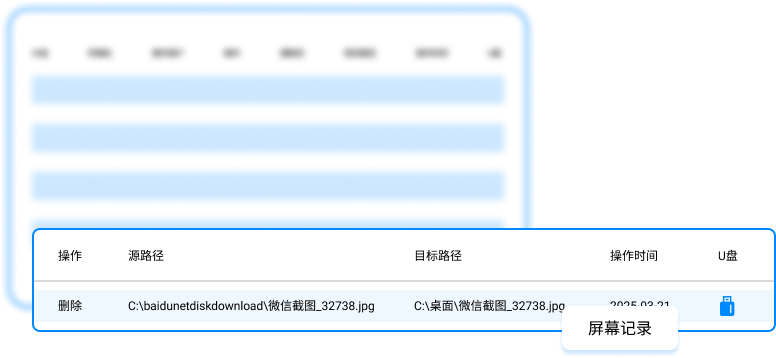
USB flash drives and ports are blocked, blocking physical channels. : No matter how smart the employee is, he can't copy it to a USB flash drive. The system can accurately identify USB flash drives, Bluetooth, and printers, and code files are only allowed to be transferred internally. The CTO of a game company told me that they had caught people trying to steal codes using USB flash drives several times, but the system directly popped up an alarm window, and the security guard stopped the person before he even left the gate.
Leak traceability, accurate to the person : Once a leak occurs, the system can restore who, when, through which channel, and which files were sent to whom. There was a boss of a listed company who used this to crucify the mole in court and directly demanded millions in compensation. The guy didn't even bother to hire a lawyer - the chain of evidence was too complete.
2. Physical isolation and network blockade
 The stupidest but most effective way. Make the development environment a physically isolated local area network, without connecting to the external network or providing USB interfaces. All code is only circulated on the internal server. This is often done in the military and aerospace fields. The disadvantage is that employees have to brush their faces when going to the toilet. The management cost is high, but the safety is indeed abnormal.
3. Private code hosting
 Set up code warehouses such as GitLab and SVN in the company's own computer room without touching any public cloud. Permissions are refined to the file level, and it is clear who pulled the code, when, and how much. I have seen a company engaged in autonomous driving. The access logs of the core code library can be printed on A4 paper and cover an entire basketball court.
4. Hardware dongle
 Plug a hardware USB shield into the development machine. Code decryption must rely on this physical device. Without it, the code would be just a bunch of binary gibberish on the hard disk. It is suitable for teams that engage in embedded development and have a fixed hardware environment. The disadvantage is that once the dog is lost, all employees will stop working.
5. Code obfuscation and packing
 Replace the variable names and function names in the source code with meaningless characters, and then add an encryption shell. Even if the code is stolen, decompiling it will still be a sacred book. This trick is commonly used by the front-end codes and mobile apps of major Internet companies, and it is a defensive strategy of "increasing the cost of leaking information."
6. Network access control
 Devices without enterprise certificates cannot even open the switch port, let alone access the code server. Combined with MAC address binding and 802.1x authentication, external devices and laptops brought in privately can be blocked outside the door.
7. Screen watermark and behavior audit
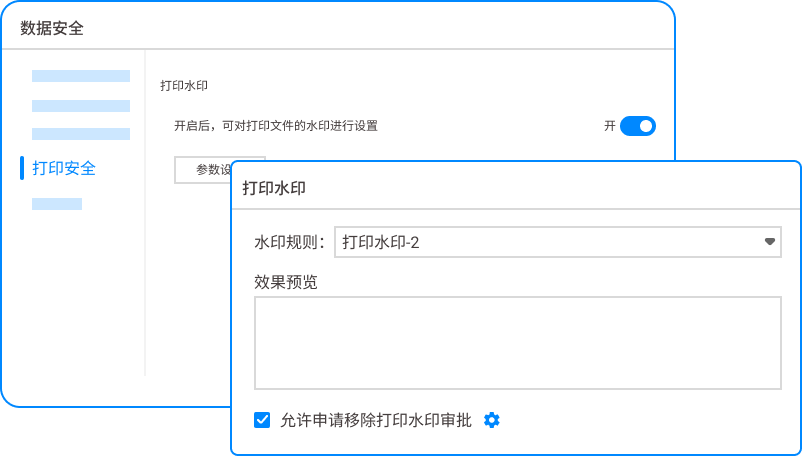
 Put an invisible or explicit watermark on the developer's screen, and the source can be traced through the watermark after taking a photo and leaking the information. At the same time, keyboard input, window switching, and clipboard operations are recorded. Once someone copies the code abnormally, the system will alert you in seconds. This trick is especially effective against "screen-shooting party".
8. Virtual desktop infrastructure
 The code is not implemented and is all run on the server. Developers only see the screen and cannot access local files. It is a favorite in heavily regulated industries such as banking and insurance. Its disadvantages are high investment costs and sensitivity to network delays.
9. Resignation audit and mandatory handover
 Mandatory code audits are embedded in the resignation process. The handover list must include the transfer of all code library permissions, and all accounts will be locked on the day of resignation. The most ruthless company I have ever seen. The day before resignation, a special person is assigned to keep an eye on the employee's operation records, and the computer hard drive has to be restored and backed up.
10. Legal deterrent and confidentiality agreement
 Write the legal consequences of leaking secrets into the contract, clarify non-competition restrictions, the amount of liquidated damages, and even directly pursue criminal liability. Although this trick can't stop those who are determined to steal, it can scare away most of the hesitant ones - if it really goes to court, the audit logs in the hands of the company can directly hammer the other party into the ground.
Source of this article: China Information Security Management Research Center, Enterprise Data Leakage Prevention Alliance
Leading expert: Zhang Zhenguo
Editor in charge: Liu Siyuan
Last updated: March 27, 2026


 Insight Eye MIT System


 Hebei Public Network Security No. 13019902001038