Article summary: After working in corporate security for more than ten years, I have seen too many boss-slapping moments: the core code was taken away by the resigned employee, and he led the team to start a new business. ; R&D transfers the code to personal GitHub, and the company's core competitiveness becomes an open source project overnight. ; Outsourced personnel take
Having worked in corporate security for more than ten years, I have seen too many boss-slapping moments: the core code was taken away by a resigned employee, and he led the team to start a new business.; R&D transfers the code to personal GitHub, and the company's core competitiveness becomes an open source project overnight. ; The outsourcer inserted the USB flash drive and several gigabytes of source code was out the door.
Code is a string of digital assets, invisible and intangible. If it is lost, it will be a disaster. It’s normal for bosses to be so anxious that they can’t sleep.
I won’t talk about the fictitious stuff today, just the practical stuff. Let’s break down the 10 source code encryption methods at the bottom of the box. Which one is the most worry-free and which one is the most thorough? Let’s break it down one by one.
How to encrypt source code? Share 10 ways to encrypt source code. It is recommended to save it to protect source code encryption from leakage.
1. Deploy the Insight Eye MIT system
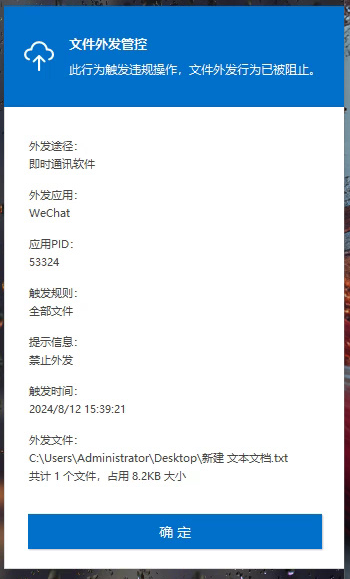
After working in this industry for so many years, if I can only recommend one method to enterprises, it would be to directly use this system. It is not a single function, it covers the R&D environment with an "invisible body armor". What the boss wants is not that employees "dare not leak secrets", but that they "have no chance to leak secrets at all."
Source code transparent encryption : This is a special skill. R&D personnel write code, compile, and run it normally on internal computers, and are completely unaware of the existence of encryption. But as long as the code file leaves the designated environment - whether it is copied to a USB flash drive, sent to WeChat, or uploaded to a network disk - the file will be garbled and cannot be opened. The effect is that even if employees remove the company's hard drive, the data cannot be read.
Outgoing document control : Sometimes projects need to collaborate with external suppliers and have to send out code or documents. The traditional approach is to sign a confidentiality agreement, which is basically equivalent to signing a psychological comfort agreement. This system can control the number of times an outgoing file is opened, its validity period, and even specify that it can only be opened on a certain computer. Implementation effect: Codes sent to outsourcers will automatically expire after three days, completely eliminating the need for secondary distribution.
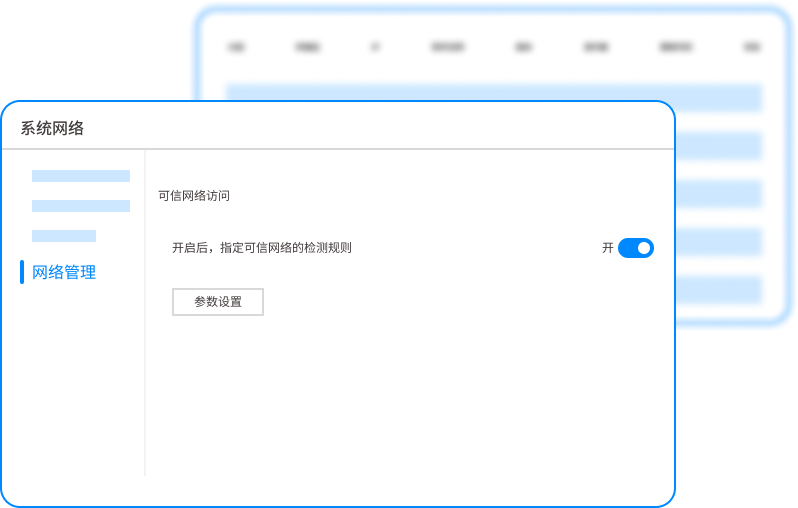
R&D network is isolated from the Internet : Many corporate R&D networks are physically isolated, but employees have to go online to check information, which becomes a contradiction. The system can control the USB port, Bluetooth, and clipboard while allowing R&D personnel to access the Internet. Implementation effect: Employees can check Stack Overflow online, but the code cannot be taken away, achieving "only in but not out".
Full life cycle audit : Who, at what time, which code library has been accessed, whether additions, deletions, modifications, and whether bulk exports have been attempted are clearly visible in the background. Implementation effect: Once abnormal behavior occurs (such as suddenly downloading core libraries in batches in the middle of the night), the system directly triggers an alarm, and the security team can stop the leak before it occurs.
Offline strategy : Some R&D backbones take laptops with them on business trips, and when the Internet is disconnected, they become "streaking". This system supports offline policies. Even if the Internet is disconnected, the encryption policy will still be in effect. If the computer is lost, there is no need to worry about data leakage.
2. Code virtualization/thin client solution

Lock up the physical machine? It is better to let the code not be implemented at all. Equip a thin client or VDI (Virtual Desktop Infrastructure) for R&D, and place all development environments and code warehouses on the server in the computer room. There is a monitor in front of the employees, the data flow is running in the background, and there is nothing locally. This trick is about "zero data retention", taking pictures of the screen with your mobile phone? Physical protection cameras. Want to copy code? The U port is directly physically blocked. It is suitable for financial and military enterprises that have extremely high security requirements and are not short of money.
3. Hardware-level encryption lock (U-shield)
Give the core code base a "physical key". The compilation server or core code repository can only be accessed with a specific hardware encryption lock (similar to a bank USB shield). Without a lock, you can't unlock the code even if it's in front of you. This method is old-school but effective. It is especially suitable for protecting the core algorithm module and separating the key from the person. Anyone who wants to see the code has to ask the person in charge to scan their face and borrow the lock. The management cost is high, but it is absolutely safe.
4. Network isolation and DLP linkage
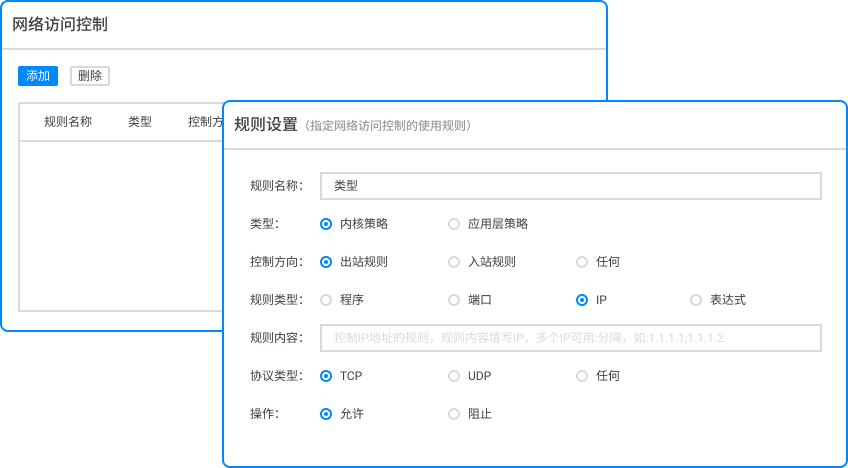
Logical isolation is achieved to the extreme. The R&D network is not connected to the external network, only internal. Deploy data leakage prevention (DLP) probes on the gateway to monitor all incoming and outgoing traffic. Once it is detected that someone is trying to transfer source code through HTTP, FTP, or email, it will be directly blocked and recorded. In conjunction with access control, devices that do not have a compliant client installed cannot connect to the Internet. This combination can block 90% of conventional network leak channels.
5. Code obfuscation and key module extraction

Start with the code itself. Split the core algorithm into an independent dynamic library, and then perform high-intensity obfuscation after compilation. Even if someone gets the decompiled code, it is still a bunch of gibberish that makes people bald. What's even more amazing is that the core logic is not placed on the server, but on the cloud, and every call goes through the API interface. Implementation effect: Even if the entire front-end source code is leaked, without the core logic support of the back-end, what you get is an empty shell.
6. Strict ban on USB and peripherals

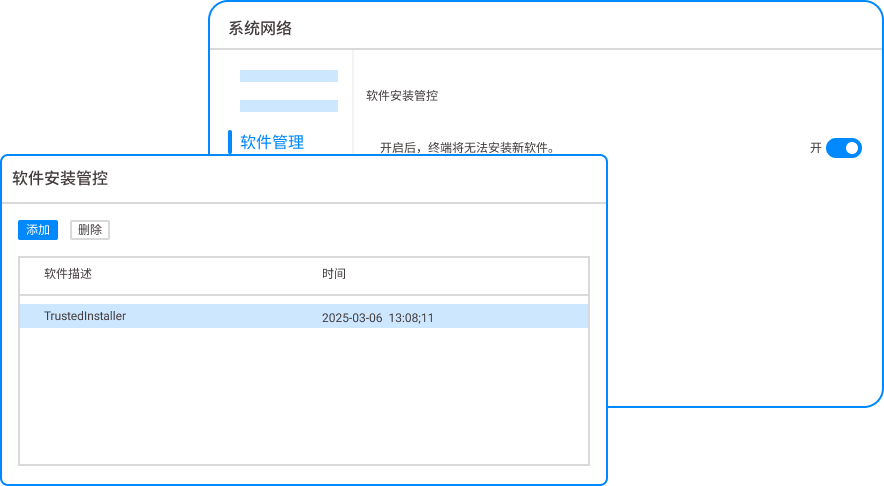
Don't think this trick is primitive. Too many leak cases are just a matter of plugging in a USB flash drive. Use group policy or access to the system to block all unauthorized USB storage devices, Bluetooth, and optical drives. R&D personnel each have one machine, and the device ID is whitelisted. Only registered USB flash drives can be used, and approval is required before use. This method is low-cost, quick-effective, and can directly block the physical copy.
7. Minimize source code warehouse permissions
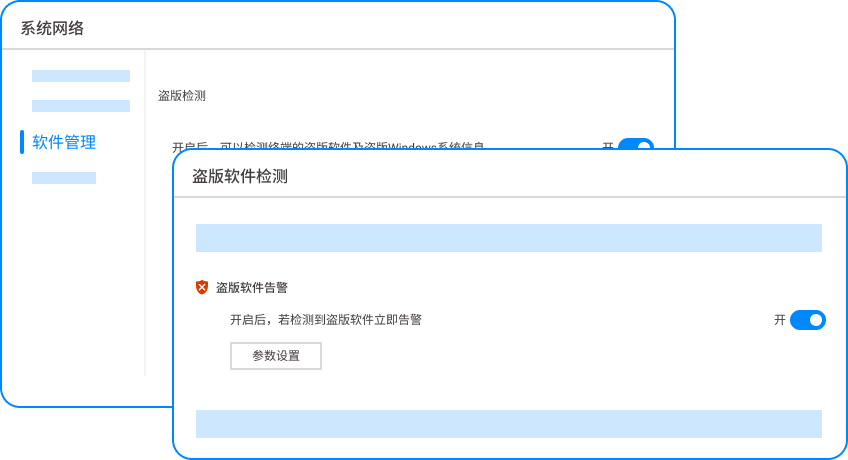
For convenience, many companies have given R&D global pull permissions to the warehouse. This is a big no-no. Strictly implement the "principle of least privilege". Whoever develops which module will only be given read and write permissions to that warehouse. Access to key core libraries requires secondary approval. Implementation effect: The contact area of the core code is greatly reduced, and if something goes wrong, the person responsible can be accurately identified.
8. Watermark traceability and psychological deterrence
Add clear or blind watermarks to IDE, screen, and printed documents. The clear watermark said "Internal confidential employee number xxx", which made the person taking the photo feel frightened. Blind watermarks are more powerful and invisible to the naked eye, but once the photos are leaked, the technical department can directly analyze the leaker's job number, time, and equipment information. Implementation effect: Create a high-pressure atmosphere of "if you reach out, you will be caught", and stop the thought of leaking secrets from the source.
9. Behavior Analysis and UEBA

You can’t defend by man-to-man, you have to rely on machine learning. Deploy User Entity Behavior Analysis (UEBA) to establish the daily operation baseline of R&D personnel. If someone usually downloads 10M of code every day, and suddenly downloads 10G one night, the system will immediately determine it as a high risk, automatically lock the account, and trigger manual intervention. Implementation effect: Turn security incidents from retrospection to blocking during the incident, and nip leaks in the cradle.
10. Sign non-competition and full-process background investigation

Technology is the last line of defense, and the law is the guarantee. Sign a non-competition agreement and confidentiality agreement when you join the company, conduct strict intellectual property audits and exit interviews when you leave, and clarify the legal consequences of leaking secrets. Don’t expect the agreement to prevent thieves, but it can ensure that there will be accountability after an incident occurs, so that those who try to leak secrets will weigh the price of going to jail.
Source of this article: Security Internal Reference, Enterprise Data Security Alliance
Leading expert: Zhang Zhengyang
Editor in charge: Liu Min
Last updated: March 27, 2026


 Insight Eye MIT System


 Hebei Public Network Security No. 13019902001038