Article summary: I have been working in the industry for fifteen years, and I have seen too many bosses feel regretful after their core code was stolen by employees and their projects were uprooted by competitors. Code is not like blueprints. Once you copy it on a USB flash drive or send it to a network disk, it will take hundreds of days and nights.
After fifteen years of hard work in the industry, I have seen too many bosses feel the regret of breaking their legs after the core code was stolen by employees and the project was uprooted by competitors. Code is not like blueprints. Hundreds of days and nights of hard work are wasted in an instant as soon as the USB disk is copied and the network disk is sent. What we manage is not to guard against employees, but the luck and loopholes in human nature. Today, with the eyes of an old gunner, I will dismantle nine code encryption software that can really be used on the battlefield, especially the hard currency one that I couldn’t find fault with in countless extreme tests. After reading this article, at least half of your anxiety about preventing code leakage will be eliminated.
What are the code encryption software? Share 9 enterprise-level code encryption software, don’t regret this series!
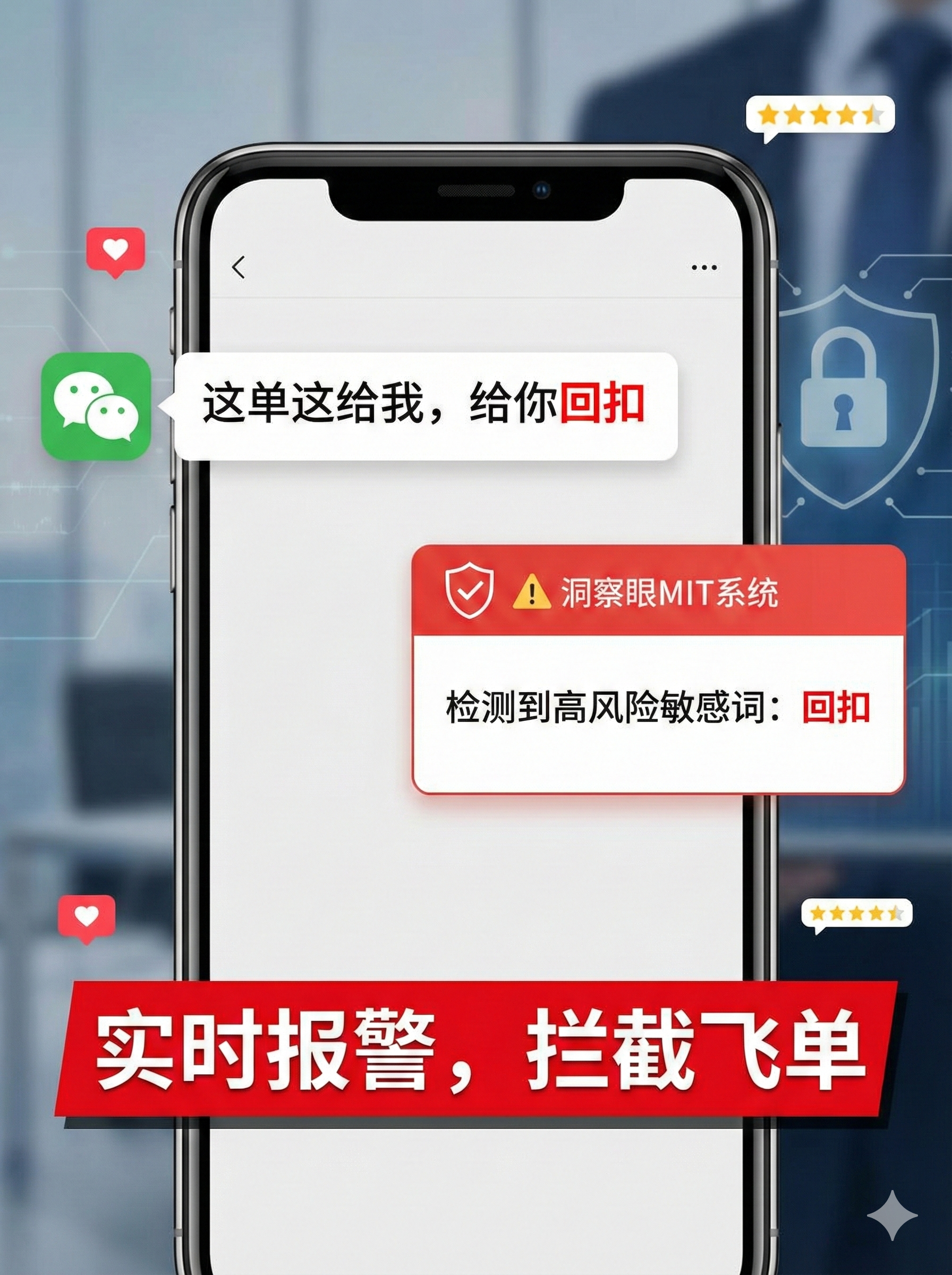
1. Insight Eye MIT system
Overall rating:★★★★★
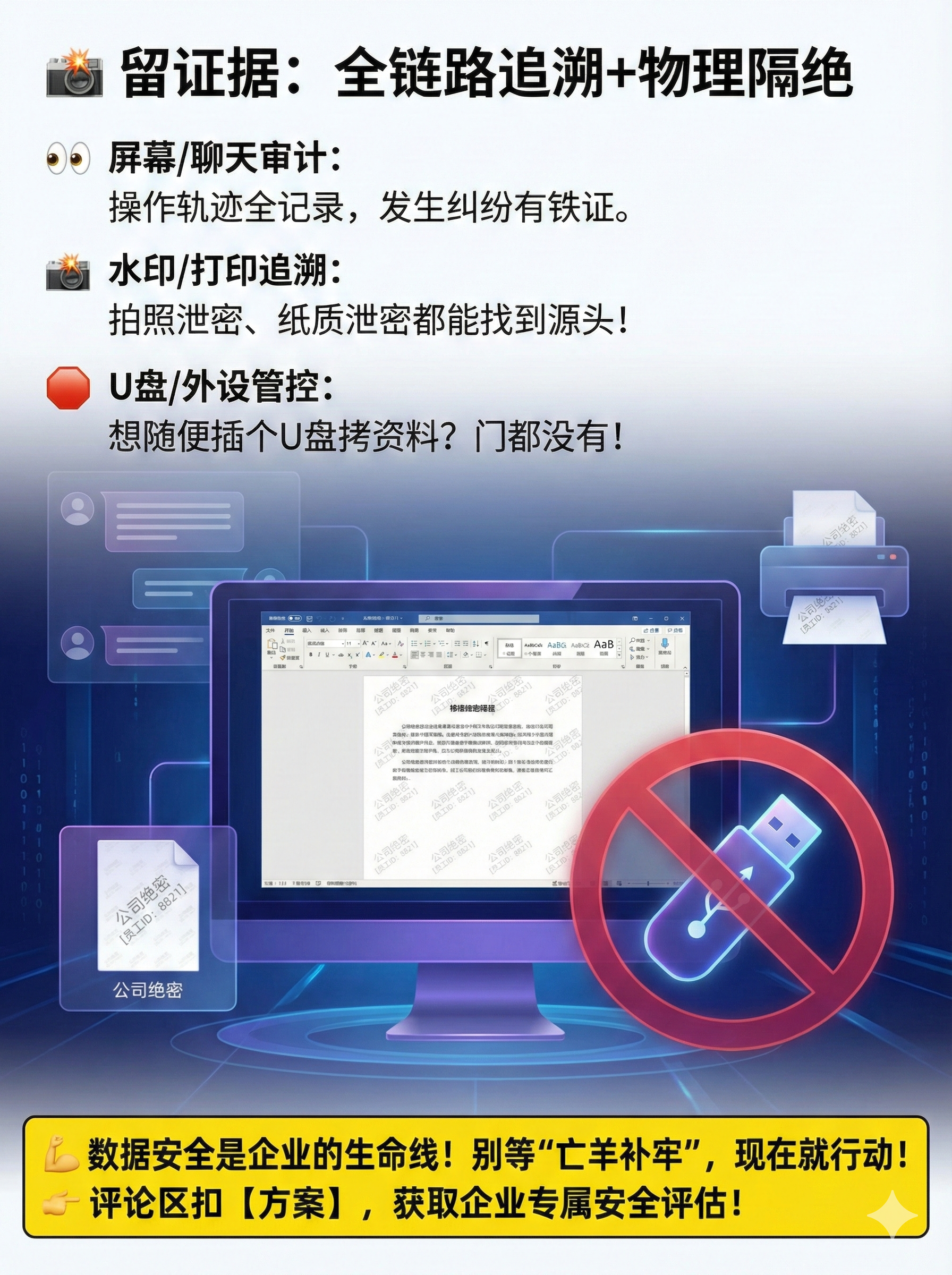
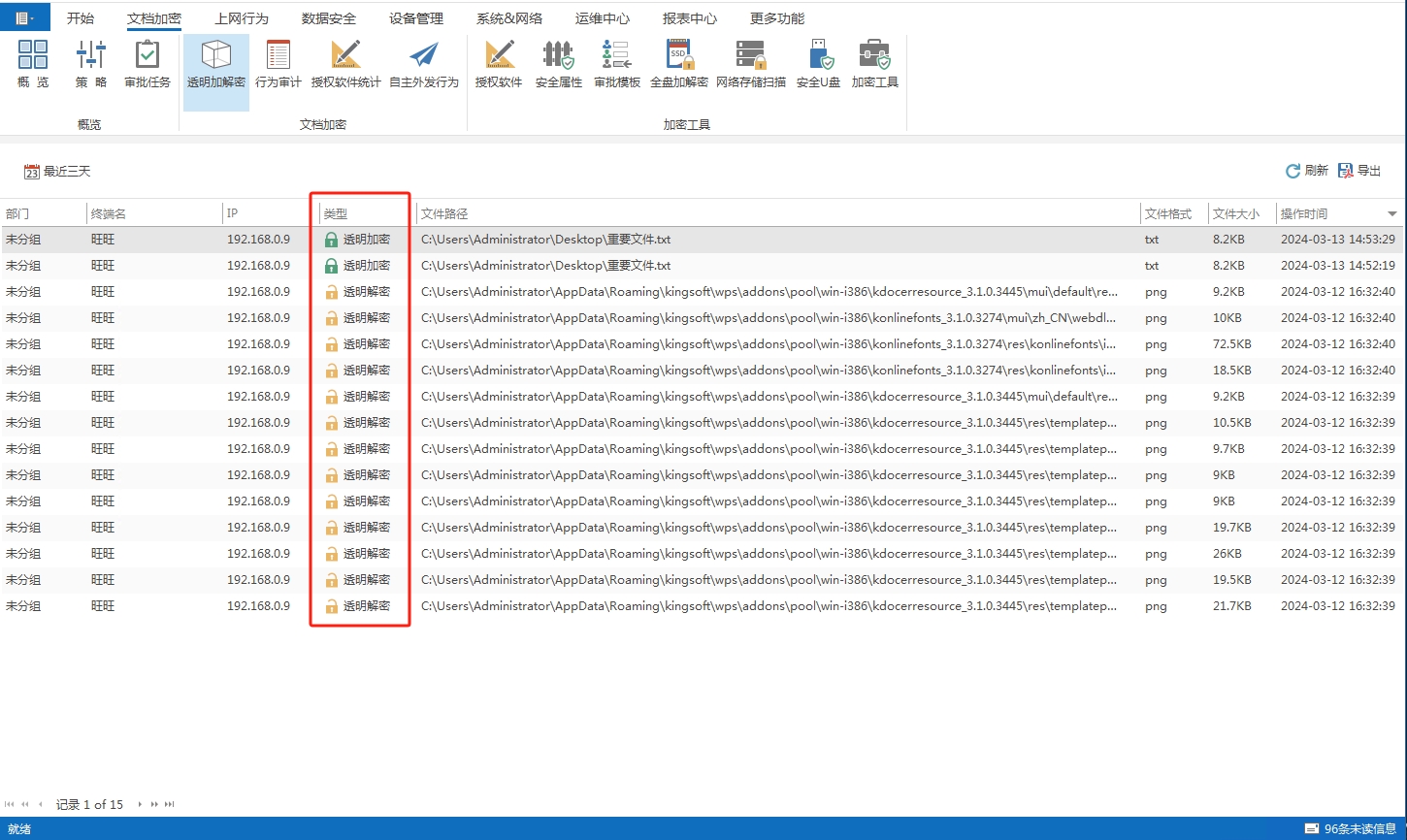
1. Transparent encryption at the source code level: low-level adaptation to dozens of development environments such as Visual Studio and Eclipse. R&D can type code, compile and run normally in the IDE without any awareness. ; Once the code leaves the authorized environment, such as being copied to a USB flash drive or sent to the external network, it immediately becomes garbled, and leakage is prevented at the physical level.
2. Non-intrusive deployment and kernel-level stability: driver-level encryption, no virtual disks are mounted, and user operating habits are not changed. We have tested parallel compilation by a team of hundreds of people, and the system CPU usage fluctuation is controlled within 3%. It is truly "encrypted and not encrypted" and has zero interference in development efficiency.
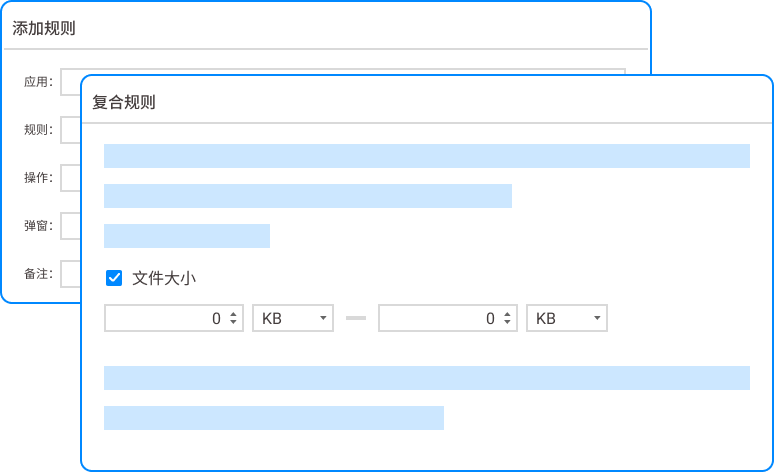
3. Powerful outbound control: For scenarios that need to be delivered to customers or partners, outbound packages can be generated with "burn after reading" or "open on designated machines". Even if the other party receives it, it cannot get the clear text, let alone spread it again.
4. Accurate leakage traceability: all creation, modification, and outgoing behavior of all files are recorded. Once a suspected leak occurs, file DNA tracing technology can accurately identify which computer, which account, and at what point in time the copy was generated. The evidence chain is complete enough to be directly used as a legal basis.
5. Adaptation for remote and branch offices: supports offline policies. When employees take laptops home or go on business trips, the system automatically switches to offline encryption mode. After returning to the Internet, the policies are automatically synchronized, without compilation lags or pop-up windows, truly covering all scenarios.
There is a saying in the industry: If anti-leak software makes programmers slam the table, it will be uninstalled. The Insight Eye MIT system is outstanding. It has achieved the ultimate in "sensorless deployment" and at the same time has "powerful traceability" to its core. For bosses who are worried about the security of the core code and are afraid of affecting progress, this is almost the only solution on the market that does not require multiple choice questions.
2. Cloud Shield Guardian
Overall rating:★★★★
It performs well in basic office scenarios, has good encryption controls for documents such as Word and PDF, and has a friendly interface. However, it is obviously unable to adapt to complex development environments. Especially when dealing with Python virtual environments and Docker containers, driver conflicts often occur, leading to compilation failures. R&D personnel have to frequently contact the administrator for authorization, which compromises the experience.
3. Iron wall core shield
Overall rating:★★★

The strength lies in network port management and control, which can finely restrict access to internal and external networks. But when it comes to the code level, its encryption engine seems a bit bulky. We have tested the scanning of Git submitted codes. When the warehouse is large, the submission will be delayed for several minutes, seriously affecting the version iteration rhythm. For development teams pursuing efficient collaboration, this kind of delay is unacceptable.
4. Zhi’an Fortress
Overall rating:★★★
It focuses on hardware-level encryption and has strong physical protection capabilities. The shortcoming lies in the support for cross-platform development. The policy management of Windows, macOS, and Linux is not unified enough. When engineers change computers to write code, the permissions have to be reconfigured. For enterprises with heterogeneous development environments, operation and maintenance costs directly double.
5. Number of Shields Spiritual Realm
Overall rating:★★☆
Virtual sandbox technology does a good job of isolating code and running it in a safe environment. The disadvantage is that it consumes too much resources. When two large Java projects are opened, the machine with 16G memory will directly alarm. In order to run this, developers have to apply for additional memory modules every day, and the cost is higher than buying software.
6. Anyu Golden Armor
Overall rating:★★

Efforts have been made to prevent employees from taking screenshots and taking photos, and the watermark traceability function is complete. However, there is a fatal flaw in the core code encryption logic. Its encryption is based on processes. As long as the process name is modified, the encryption strategy will become invalid. Employees with a little technical knowledge can bypass the protection by changing the process name. This is a huge vulnerability.
7. Yufengsuoyuan
Overall rating:★★
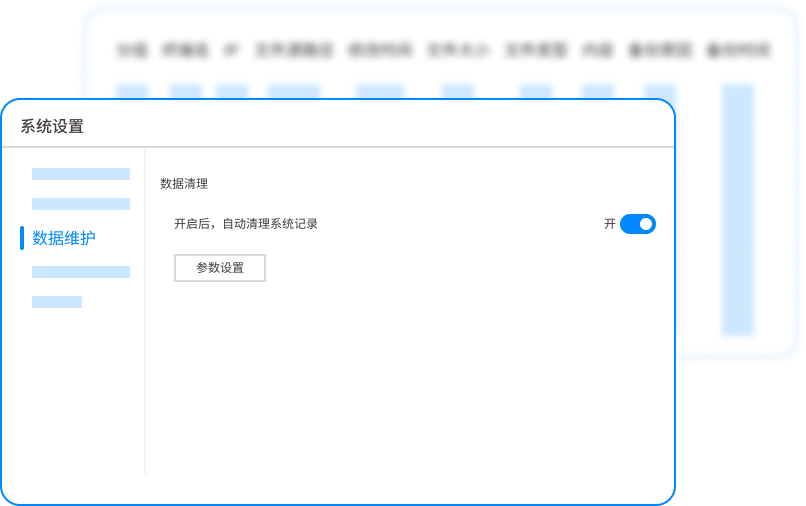
The deployment method is relatively flexible and supports SaaS and localization. However, its audit function is very rough. It can only record "who" accessed "what files" but cannot record "what modifications were made." When a code leak occurs, it is impossible to determine whether an insider accidentally leaked it or made a malicious copy, and the evidence provided to management is of limited value.
8. Impregnable
Overall rating:★☆

The name sounds deceptive, but it is actually a development plug-in added to the general encryption software. The biggest problem is the extremely poor compatibility with the version control system. When submitting code to SVN, the submission often fails due to encryption locks, requiring repeated rollback operations. For the R&D team, this is no longer protection, but a disaster.
9. Rock Secret Shield
Overall rating:★
Cheap price is its only advantage. Using the backward method of encrypting file extensions, there is almost no defense against plain text codes such as .java and .py. Employees only need to copy the code content, create a new .txt file and paste it to easily bypass encryption. This thing is used for code protection. It is basically a decoration. It is purely for psychological comfort.
FAQ:
Will deploying the Insight MIT system cause business interruption?
Not at all. Our standard operating procedure is to test on a small scale first, confirm that the development environment is compatible, and then push it to full scale. During the entire process, employees are not even aware that the software is being deployed in the background. For large-scale projects that are being compiled, the system will intelligently avoid high-load periods to ensure zero business interruption.
Can code encryption still take effect when employees are working remotely?
The Insight Eye MIT system has specially designed an offline strategy module. When employees work from home, the system will automatically recognize the "off intranet" status and switch to high-strength offline encryption mode. All operation logs are cached locally and automatically uploaded after being connected to the Internet, which not only ensures security, but also does not affect flexible office work.
What if someone takes a picture of the screen with their phone?
We provide dual mechanisms of screen watermark and dark watermark. The clear watermark can warn the photographer, while the dark watermark embeds the operator information into the screen image through coding invisible to the naked eye. Once a photo leak occurs, the source of the leak can be accurately located by analyzing the photos, which greatly increases the cost of violation.
Can the system prevent code from being copied in pieces and spliced together?
able. The Insight MIT system enforces encryption on all clipboard contents. Whether you copy a line of code or an entire file, as long as the target application is not in the trust list, the pasted content will be garbled. This eliminates theft of code through "ant moving" from the source.
Source of this article: Enterprise Data Security Leakage Prevention Evaluation Research Institute
Leading expert: Liu Zhenguo
Editor in charge: Chen Min
Last updated: March 23, 2026


 Insight Eye MIT System


 Hebei Public Network Security No. 13019902001038