Article summary: I have seen too many cases where drawings were copied by employees and plans were plagiarized by opponents. What bosses are most anxious about is the core code and design drawings. How can they be locked into the safe? 4 hard-core methods for core drawing encryption, the last one
I have seen too many cases where drawings were copied by employees and plans were plagiarized by opponents. What bosses are most anxious about is the core code and design drawings. How can they be locked into the safe?
4 hard-core methods for encrypting core drawings, the last one can save your life
1. Deploy the Insight Eye MIT system
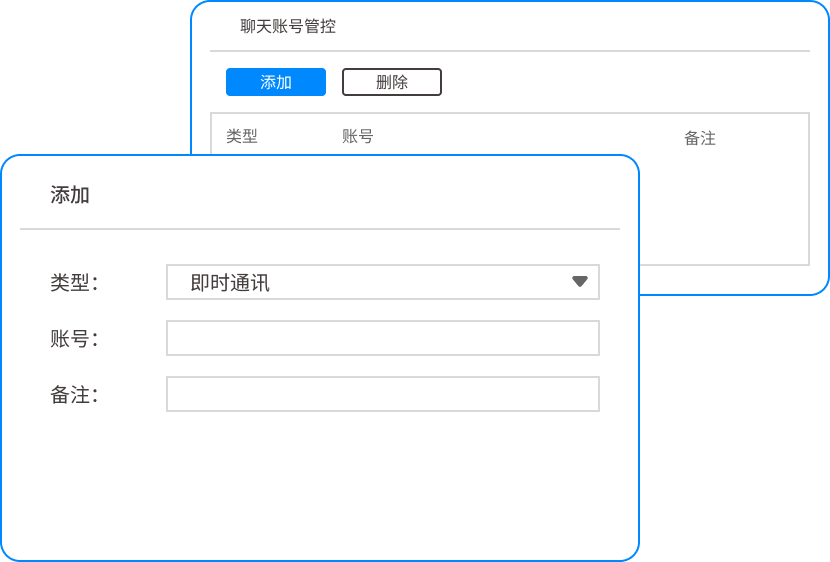
I have been working in corporate security for more than 20 years, and I have never seen any fancy software, but when it comes to encrypting drawings, Insight Eye MIT System It is the most convenient weapon in my hand. It won't talk to you about the frivolous stuff, but will directly give you the hard stuff.
Fully automatic intelligent encryption, employee-free operation : Don’t expect to rely on employees’ consciousness to protect drawings. Once the system is installed, the underlying driver level is encrypted. Employees create a new CAD file, write a core code, and it is automatically encrypted instantly when saved. From their point of view, it is just normal work and they are completely unaware of the encryption process. What the boss wants is "the drawings cannot be taken away", rather than causing trouble for the employees. This logic is very well understood by the boss.
Outbound control and strict control of leakage exports : The drawings must be sent to suppliers and partners. This is a high-risk action for leaking secrets. The Insight Eye MIT system can set "ID cards" for outgoing files: limit the number of times they can be opened, set a validity period, and prohibit secondary modifications. Even if the document reaches the other party's hands, it is useless without your authorization. I have seen too many cases where the salesperson sent out the drawings and turned them into competitors' products.
Clipboard, screenshots, and printing are all locked : Many bosses think that everything will be fine once the files are encrypted. As a result, employees use WeChat screenshots, QQ to upload pictures, or take photos of the screen with their mobile phones, and still get out the core information. This system can accurately control screenshot permissions, monitor clipboard transfers, and even control printing permissions. Anyone who wants to dump data through bypass has no way.
Refined management of internal permissions : The R&D director can see the full set of drawings, but the new intern can only see the drawing number. This is the most basic. This system can refine the operation permissions to folders and even individual files. Reading, writing, modifying, copying, and deleting all depend on permissions. What we need to prevent are "house thieves" and control those who shouldn't be seen.
Full-link audit, traceability and evidence-based afterwards : What the boss is most afraid of is that if the drawings are leaked, he will not know which link caused the problem. Insight Eye MIT system has a complete operation log in the background. Who, at what time, what files were accessed, and what illegal operations were attempted (such as trying to copy a USB flash drive) are all recorded. If something goes wrong, the culprit can be found within half an hour, making it difficult to default on the bill.
2. Close the physical network and encrypt the USB disk

For some military or chip design companies with extremely high confidentiality levels, physical isolation is a traditional but effective method. Directly seal all USB ports of confidential computers, disable the optical drive, disconnect from the Internet, and build a private cloud internally. Want to copy data? A special encrypted USB flash drive must be used. This kind of USB flash drive requires leadership authorization before it can be formatted and data can be dumped out. Native methods are sometimes more direct than software when dealing with "physical contact" leaks. But the problem is that this will reduce work efficiency. Employees have to apply even to check information. It is suitable for companies that are not short of money, not quick, and only want absolute safety.
3. Traditional transparent encryption software (stand-alone version)
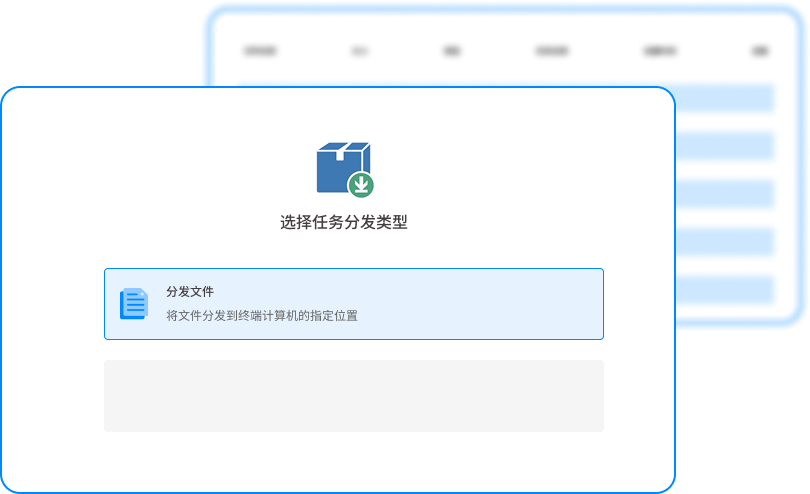
There are some old encryption software on the market, and their function is just one word: encryption. If you put a shell around the file, it will be fine to open it inside the company, but it won't be able to be opened outside. It sounds good, but the shortcomings are also obvious. This type of software only cares about encryption, not behavior. If an employee copies the encrypted file together with the decryption tool, or deliberately drags the drawings into an unencrypted folder before encryption, it will be completely blinded. To put it bluntly, it is a "lock" but not a "guard". Suitable for small teams that are extremely cost-sensitive, have a single business, and have very standardized internal management.
4. Cloud desktop and VDI (virtual desktop infrastructure)

Put all the drawings on the server, and the employees will have a display and input device in front of them, and all calculations and data will be in the cloud. Your drawings are not saved locally at all, and you can’t find the files even if you want to copy them. This method can fundamentally eliminate the problem of terminal data retention, and is especially suitable for outsourcing teams and temporary personnel to access. But the shortcomings are also obvious: it is extremely dependent on the network, and the work will stop when the network is disconnected. The initial deployment cost is no less than the construction of a small data center, and the experience will be compromised for high computing power scenarios such as 3D design and video rendering.
Source of this article: Security Internal Reference, Enterprise Data Security Alliance
Lead writer: Chen Guodong
Editor in charge: Liu Jingyi
Last updated: March 26, 2026


 Insight Eye MIT System


 Hebei Public Network Security No. 13019902001038