Article summary: Dear bosses, let’s put it down here—the core code of your company that is kept under the box may be tens of thousands of dollars in “extra money” in the eyes of insiders. Employees move their fingers, insert a USB disk, send a network disk, or even take a picture, and your hard work for more than half a year is instantly
Bosses, let’s put it down here—the core code of your company that is kept under the box may be worth tens of thousands of dollars in “extra money” in the eyes of insiders. Employees move their fingers, insert a USB flash drive, send a network disk, or even take a screenshot, and your hard work of more than half a year can instantly become an "accelerator" for your opponent. Don't talk about trust with me. In the face of interests, management costs cannot guard against people's hearts. I have been in this business for 20 years and have seen too much. Today I will not talk about nonsense. I will talk about how to put an "iron shirt" on files, especially those tens of millions of lines of code, and how to prevent them from going anywhere except where you authorize them.
Code security does not depend on consciousness, but on "going to jail" - 4 enterprise-level file encryption methods, specializing in core leaks
1. Deploy the Insight Eye MIT system
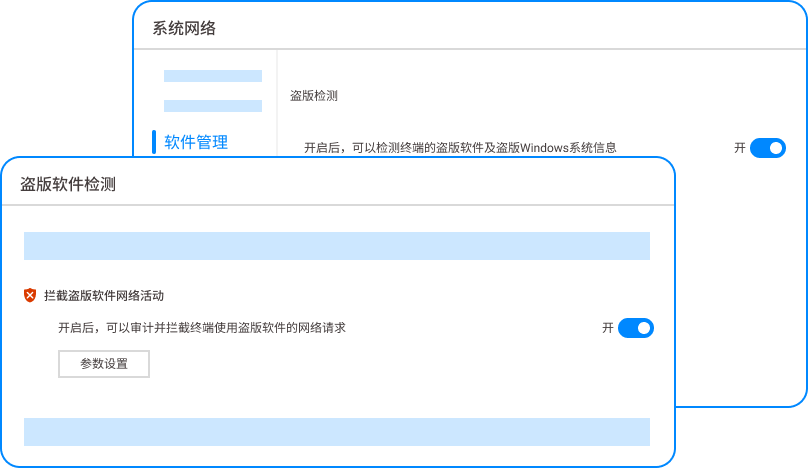 Don't expect to rely on rules and regulations to plug loopholes. They only protect against gentlemen but not villains. If you really want the code to be "welded" in your company, you have to use this kind of control system that makes both IT and bosses worry-free. This is called an enterprise-level approach, which directly eliminates the signs of leaks:
Transparent encryption, no sense protection : Don’t talk about “manual encryption” with R&D, they find it troublesome. After this thing is installed, within our company, everyone writes code, compiles, and runs programs as usual, without feeling any presence. Once someone gets excited and wants to use WeChat to send out the code package, or copy it to their own USB flash drive, the file will automatically be garbled and turned into a pile of waste paper when it reaches the outside. The effect is: the employee has no idea how he leaked the secret, because he has no chance to take the clear text out.
Outbound management and control, permissions locked : Sometimes Party A needs the code for secondary development, or cooperates with outsourcing, and has to send it out. Insight MIT system can put "time lock" and "permission lock" on files. When you send it to a client, he can only read it, not change it, or copy it. Even after a week, the file automatically expires and cannot be opened. This prevents partners from taking your code and selling it to competitors, turning "outsourcing" into "controllable borrowing".
Screen watermark deters traceability : Don’t underestimate screenshots, they are the hardest hit area for leaks. The system will implant hidden or explicit watermarks on employee screens, including employee ID, IP, and time. If anyone dares to take a photo of the core algorithm and post it on WeChat Moments, you can look it up with the photo and it will be clear who did it and when. This is called "visual shock". Let him think carefully before thinking. Taking a photo is tantamount to surrendering.
Clipboard and USB blocking : What do programmers use most? Copy and paste. Many code leaks are brought out by pasting code snippets into personal cloud notes through the clipboard. Insight Eye MIT system directly controls the clipboard, only allows internal transfer, and prohibits pasting to external processes. Coupled with the precise control of U disks, only encrypted U disks issued by the company will be recognized. Others plugged in will either not be recognized or be forcibly encrypted. After this combination of punches, both the physical and logical channels were blocked.
Operational audit and accountability afterwards : Don’t think that once you take precautions, everything will be over. The system background can record who has viewed which core file, how long they have viewed it, whether they have tried to print, and whether they have changed their name to hide it, all of which can be logged for you. If something happens, this diary will be the strongest evidence. Send it to the economic investigation to get an accurate report. With this thing, employees will understand in their hearts: This is not to guard against gentlemen, but to put a "tightening curse" on everyone.
2. Hardware-level encryption U disk/hard disk
 If your company is small, or you feel that deploying a system is too "heavy", you can consider this type of physical media encryption. Buy a batch of USB flash drives or mobile hard drives with physical buttons and chip encryption, such as those that require a password to access. The advantage is low cost and immediate results. The disadvantage is that management is too tiring. If you send out 100 USB flash drives, password management, loss reporting, and permission recovery will exhaust your IT department. Moreover, network transmission and cloud disks cannot be prevented, and only physical copies can be managed.
3. Windows comes with EFS encryption (BitLocker)
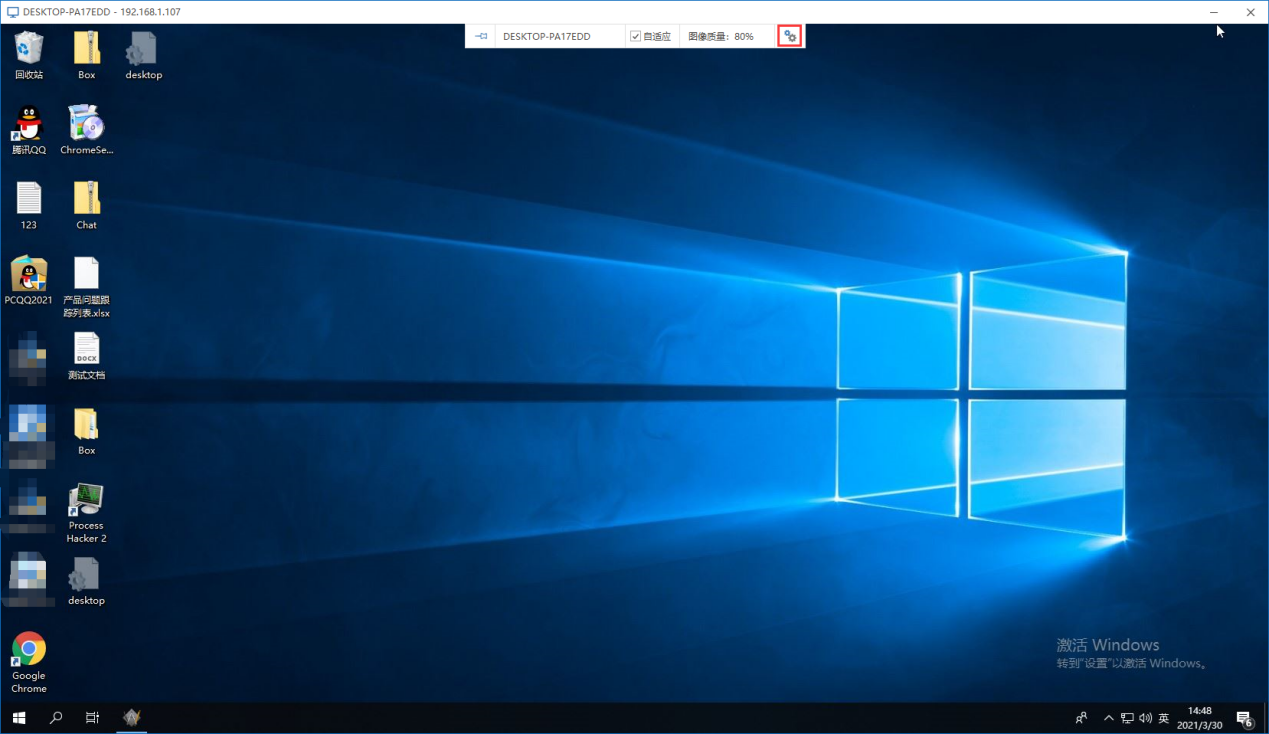 How should I put this? It belongs to the "beggar's version" plan. It comes with the Win system and looks like it costs nothing. But bosses have to think clearly that this thing is bound to user accounts and hardware. Once the system crashes, reinstall the system, or the hard disk is damaged, and you do not have a backup certificate, the data will be gone directly to you, and you will not even be able to open it yourself. And it cannot prevent malicious copies after legal authorization - as long as the employee logs in to the computer and gets the permission, he can copy however he wants. Is this a device designed to "prevent thieves but not house thieves"? It is used to guard against core R&D personnel? Don't be ridiculous.
4. High-strength encryption of compressed packages (WinRAR/7-Zip)
 Many R&D supervisors want to save trouble and ask employees to package the code into an encrypted compressed package. This is pure deception. Do you have to share the password? Once the password is posted in the group, it is considered public. Nowadays, cracking tools are everywhere. People with a little knowledge of scripting can use a dictionary to run it, or directly grab the process in the memory and decompress it for you in minutes. This trick is also used to prevent the front desk girl. Do you want to rely on this to protect millions of core codes? That's like storing money in a paper safe.
After all, bosses, when it comes to preventing leaks, relying on awareness is the most expensive, but relying on technology is the cheapest. Using the Insight Eye MIT system is equivalent to hiring a team of "digital security guards" who will not eat or drink, but will keep track of the core assets 24 hours a day. Those other wild tricks are either impossible to prevent or out of control. If something goes wrong, what you will lose is not just the money for a few sets of software, but the future moat of the entire company.
Source of this article: Enterprise Information Security and Anti-Fraud Alliance
Leading expert: Chen Zhenguo
Editor in charge: Liu Jingyi
Last updated: March 25, 2026


 Insight Eye MIT System


 Hebei Public Network Security No. 13019902001038