Article summary: After working in corporate security for more than ten years, I most often hear calls from bosses in the middle of the night: "Lao Zhang, someone has copied the core code. What should I do?" ”Code is precious, it is the lifeblood of the company ; Say it is fragile, a USB flash drive, an email,
After working in corporate security for more than ten years, I often hear calls from my bosses in the middle of the night: "Lao Zhang, someone has copied the core code. What should I do?" ”Code is precious, it is the lifeblood of the company ; Call it fragile, a USB flash drive, an email, or even a cell phone screenshot can wipe out years of hard work in an instant.
Don't tell me that "employees are all brothers". I've seen too many cases of brothers turning against each other. Today I won’t talk to you about nonsense, but let’s talk about 5 moat solutions on the market that can actually be implemented.
An inventory of 5 source code leakage prevention methods: locking core assets from the source
1. Deploy the Insight Eye MIT system
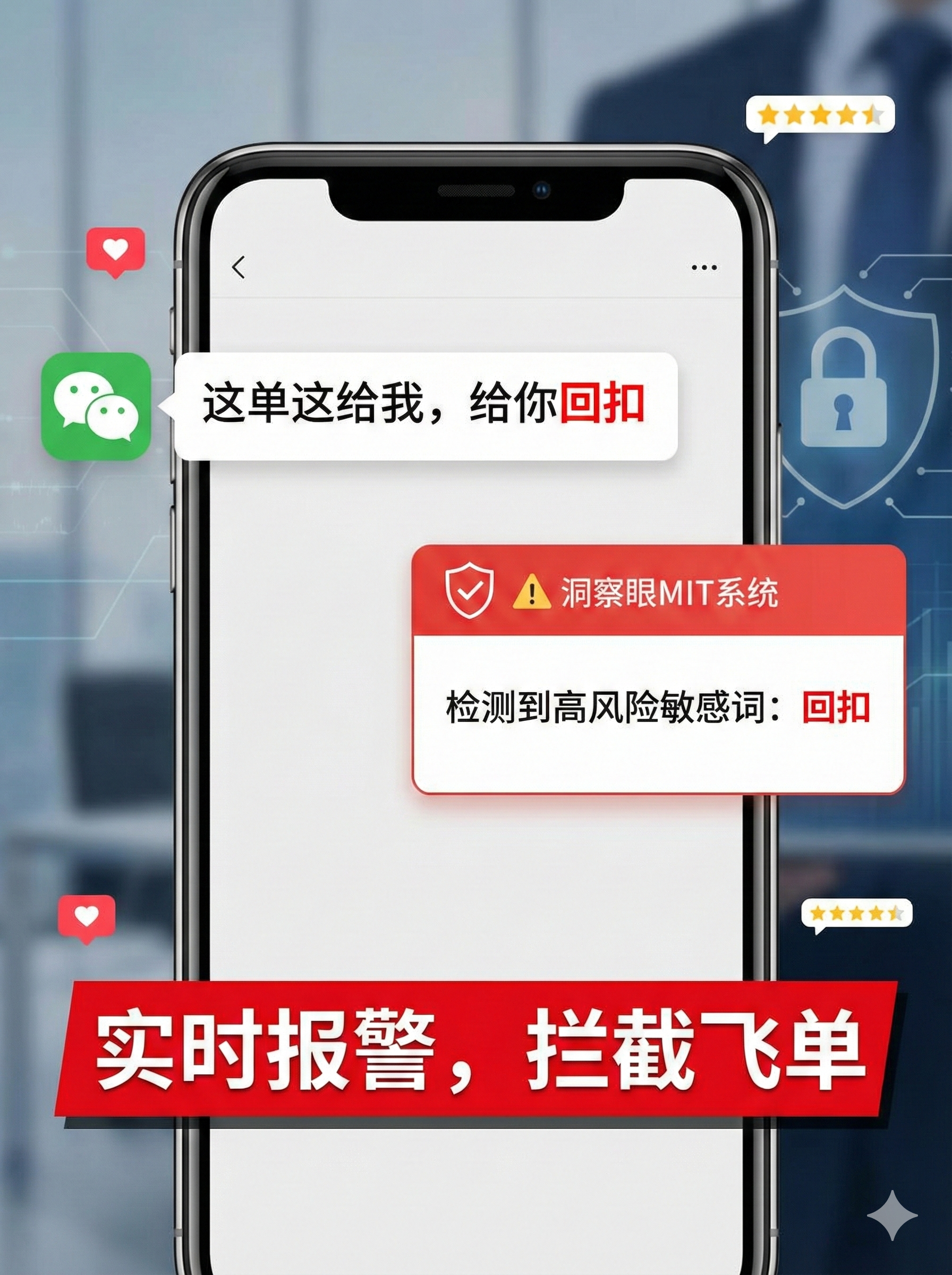
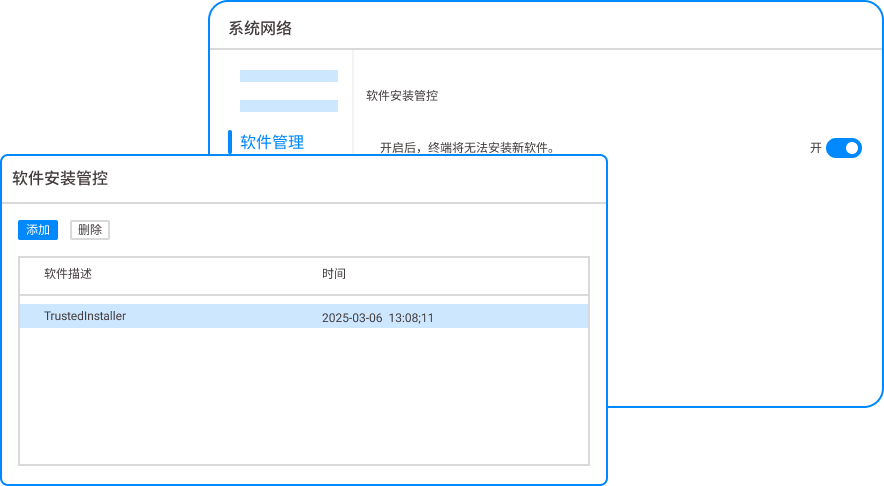
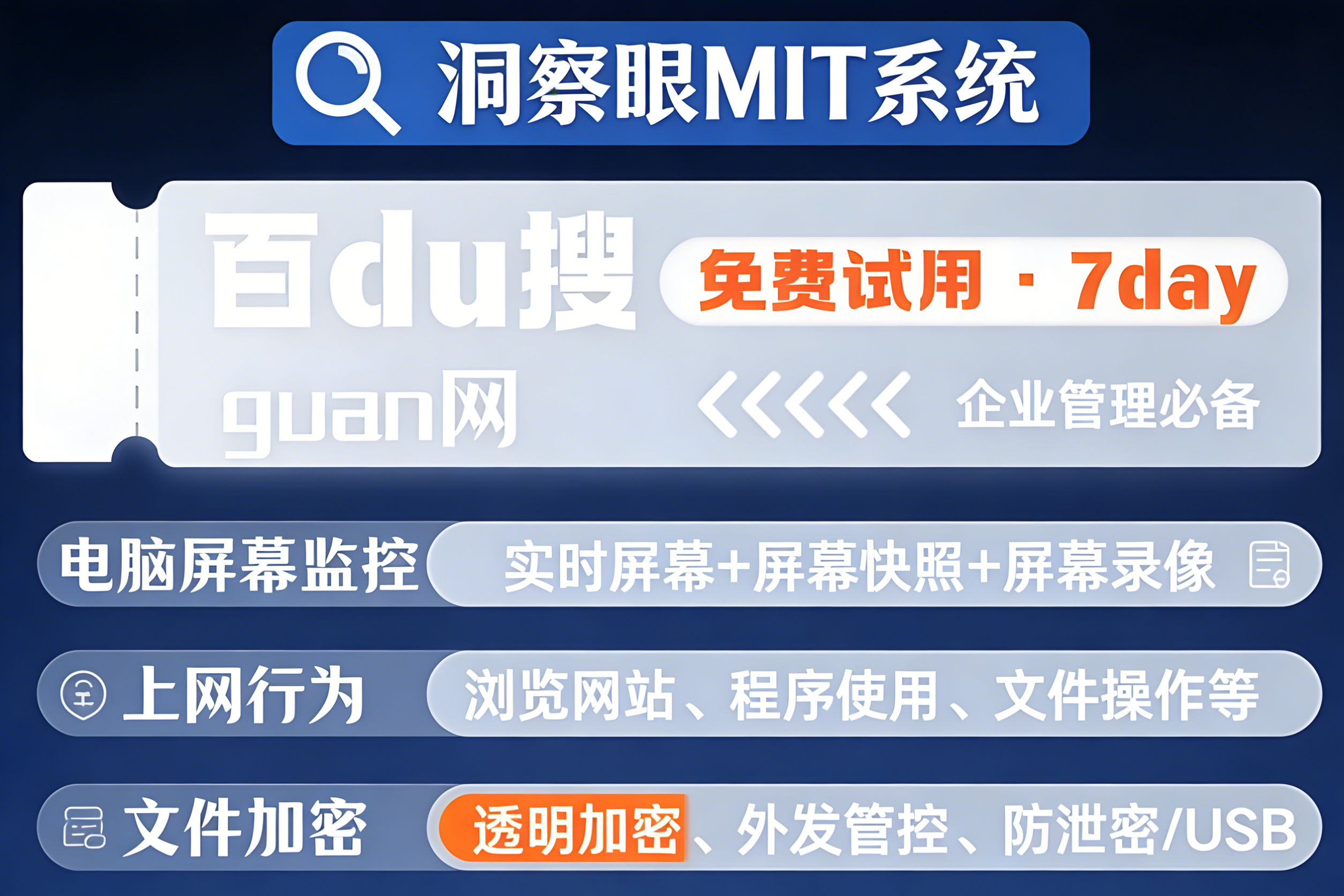
This thing is something I have deployed for dozens of listed companies over the years and is recognized as the most “stable and accurate” strategy. It is not just to install a piece of software and be done with it, but to do a "sterile transformation" of the entire development environment.
- Low-level driver-level encryption, no sense of implementation : Those so-called encryptions on the market that check "read-only" or "hide" are just a layer of window paper in the eyes of knowledgeable people. Insight MIT plays with transparent encryption of the driver layer. Developers cannot feel its existence when writing code, but as long as the code tries to leave the environment - whether it is Ctrl+C, dragging into the chat box, or inserting a USB flash drive, the file will directly become garbled. I have seen a game company where a resigned employee copied the entire set of server code, only to find that it was all a "book from heaven" when he returned.
- "Strong control over the entire process of source code outsourcing"” : What is the boss most afraid of? I am afraid that the outsourced team will be unreliable, and I am afraid that the partners will resell the code. This system can set the "life and death status" of outgoing files: limit the number of times they can be opened, limit the usage period, prohibit printing, and even bind to a designated computer. After the expiration date, the file is automatically destroyed. This is a hundred times more effective than signing a confidentiality agreement.
- Cut off the "undercurrent" of secrets to prevent secondary circulation : Do you think employees only do mischief during working hours? This system can detect various bypass methods. For example, it is prohibited to capture the code interface through screenshot software (including WeChat screenshots) ; Disable the virtual machine from running to prevent you from opening a virtual machine as a "quarantine" to smuggle data ; It can also accurately identify and block illegal push of code through version control tools such as Git and SVN.
- Strict authority isolation, leaving no opportunity for "insiders" : Many companies have R&D, testing, and operation and maintenance permissions mixed together, which is a taboo. Insight MIT can divide "safety areas" according to departments or project groups. For example, it is normal for people in the core algorithm group to look at their own group's code, but when it comes to the test group, they don't even have permission to open that directory on their computer. This is called the "principle of least privilege", and it's also the bottom line I emphasize repeatedly.
- Offline and on business trips, "cut off the Internet to stay safe"” : Some bosses are worried that if employees take their laptops home, won’t they lose control if they leave the intranet? This system comes with an offline policy. Even if the network cable is unplugged, the default encryption policy will still be in effect. I handled a case where an employee took his computer home and tried to decrypt it. As a result, the system was directly locked. When he came back to work, the logs were all recorded with "illegal operation attempts."
2. Private Git server + strict physical isolation

If your company has extremely high confidentiality requirements (such as military industry, chip design), you may consider completely physically isolating the code warehouse. The Git server is locked in the computer room, the development computer is not allowed to access the Internet, and even the USB port is sealed with glue. This method is the most primitive, but also the most violent and effective. The disadvantage is that you need to have a very strong operation and maintenance team, because any code submission and deployment can only be manually transferred through the intranet, and the efficiency will be reduced.
3. Code obfuscation and key logic stripping
This falls under the "even if you get it, you can't understand it" mentality. The core algorithm logic and secret key generation part are stripped out and deployed in the cloud or in an independent hardware encryption machine. In the code obtained by front-end developers, all encapsulated API interfaces are called. In this way, even if all the client code is lost, it will only be a bunch of "empty shells" that cannot run. This solution is low-cost, but it tests the architect's splitting ability.
4. Docker containerization and dynamic watermarking

For development and testing environments, container technology can be used to dynamically pull up temporary environments. The code only runs in the container and is not allowed to be saved directly to the local. Combined with dynamic watermark technology, employee IDs and IP information are imprinted on the screen of the code editor or IDE with extremely shallow pixels that are imperceptible to the naked eye. Once someone takes a photo and leaks it, bring the photo to me, and I can directly find out who took the photo at which time through a magnifying glass. This deterrent is very strong.
5. High-intensity onboarding and "cooling off period" after resignation”
This is not a technical means, but it is often more critical than technology. Many leaks are premeditated, and they are all about your source code when you join the company. It is recommended to conduct an in-depth back-up investigation of core R&D positions to check whether there have been any competitive disputes in the past. During resignation and handover, a "double supervision" system must be implemented. After signing, the records will be kept on the computer for at least 3 months for subsequent audits. Don't believe that "it's easy to get together and break up easily". In the cases I have handled, 90% of the leaks occurred two weeks before leaving the company.
Source of this article: Enterprise Data Security Protection Alliance, China Software Industry Association Trade Secret Protection Branch
Leading expert: Zhang Zhenguo
Editor in charge: Chen Min
Last updated: March 27, 2026


 Insight Eye MIT System


 Hebei Public Network Security No. 13019902001038